Business Waste Removal in Maida Vale

Business waste removal in Maida Vale should be organised around the realities of commercial premises: limited storage, shared access, regular collections and the need to keep work areas clear. We provide waste removal for offices, shops, hospitality settings and other workplaces that need unwanted materials taken away in a tidy, planned way. The focus is on straightforward clearance, responsible sorting and a service that fits around daily operations without turning the building into a worksite.
Different businesses produce different waste streams, so the right approach starts with what needs removing and how it is stored. Office clear-outs may include desks, chairs, shelving, IT items and mixed rubbish. Retail units might need packaging, display fixtures or stock-room clutter taken away. Our business waste removal service is designed to cover those practical needs while keeping handling simple for the customer. If you are planning a clearance, request a quotation once you know the main items involved.
For businesses that want a cleaner, safer space without organising transport themselves, the service can be scaled to the job in hand. That might mean a one-off office clearance, a routine removal of accumulated waste, or the disposal of bulky items that do not belong in general bins. We aim to keep the process clear from the outset, so you can decide what should stay, what should go and what access needs to be left open for staff and customers.
Commercial waste removal for offices and workspaces
Office waste often builds up in layers, from old paperwork and packaging to broken furniture and redundant equipment. A practical clearance should separate what can be removed immediately from items that need extra care, such as electronics or confidential materials. We handle mixed office waste removal with attention to sorting and loading, so the outcome is a usable space rather than a rushed sweep-up. For many workplaces, the value is in clearing clutter without disrupting day-to-day tasks.
Modern offices often need more than a simple rubbish lift. They may be clearing a single room, an entire floor or storage areas that have filled with surplus equipment over time. Our work can include desks, chairs, cabinets, monitors, printers and other workplace items that have reached the end of their use. If you are comparing options, think about access, item size and disposal complexity as these will affect how the removal is planned. To move ahead, you can ask for a quotation when you are ready.
Some clearances benefit from a focused approach to paperwork and data-sensitive waste. Where a business has files, records or printed material that should not enter ordinary mixed waste, confidential shredding may be part of the wider removal plan. Confidential shredding suits situations where document disposal needs to be more controlled than standard rubbish collection, and it can sit alongside an office clearance when both are needed in the same job.
Furniture, fixtures and bulky item disposal

Businesses often contact us because furniture has become the main obstacle to using a room well. Old desks, meeting tables, reception seating, storage units and broken office chairs can take up valuable floor space long after they have served their purpose. Furniture removal is usually most effective when items are grouped by type and kept accessible, which helps the clearance move efficiently. Where a unit is being refreshed or emptied, disposing of bulky items can be a major part of the work.
We also deal with furniture disposal where items are beyond reuse, too worn for redeployment or simply no longer suitable for the premises. The important decision is not just what is being removed, but how it will be handled on site. Large items may need to be taken apart, carried through narrow routes or lifted from upper floors with care. Planning the route matters just as much as the items themselves, especially in occupied commercial buildings.
If your clearance includes mixed furniture and general business waste, it is usually best to describe the lot together rather than splitting the job into several separate arrangements. That gives a clearer picture of the time and space involved and helps ensure the removal is organised correctly. Our team can work through the items methodically and leave the area ready for its next use. For a practical next step, make an enquiry for a quotation when the list is ready.
Business clearance for stock rooms, storage areas and back-of-house space
Back-of-house areas often become the quietest part of a business and the easiest place for surplus materials to collect. Storage rooms, cupboards, utility corners and underused spaces can end up holding packaging, broken fittings, old files, redundant equipment and items waiting for a decision. Business waste removal in these areas is about restoring order as much as lifting rubbish. A good clearance focuses on safe handling and on keeping what still has a purpose.
Because storage spaces vary so much, the work can range from a single cluttered room to a fuller business clearance involving multiple categories of waste. We can remove general rubbish, office items, fixtures and bulky materials in a way that suits the layout of the premises. If there are fragile objects, stacked boxes or awkward access points, it helps to identify those early so the collection can be planned around them. Business waste removal is the core service here, but the details of each job shape how it is carried out.
When businesses are preparing for refits, reorganisations or handovers, the main question is often what should be taken away first. Sorting the obvious waste from the items worth keeping reduces confusion and avoids unnecessary handling. We can work through those piles in a steady order, leaving you with clearer rooms and fewer loose ends. If a collection needs to happen after hours or around trading, the enquiry should explain that clearly so the arrangements are realistic.
Waste removal for shops, hospitality and customer-facing premises
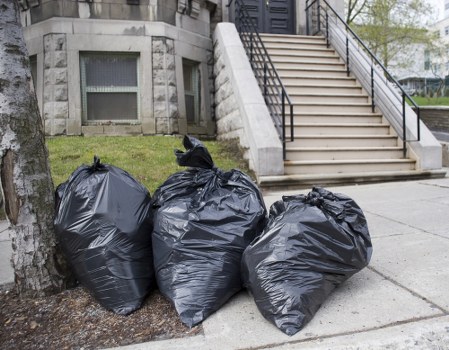
Shops, cafés, salons and similar premises need waste removal that respects both space and presentation. Front-of-house areas must stay tidy, while back rooms, counters and prep spaces often collect packaging, worn display pieces and general waste that cannot be left for long. Our service supports these businesses by removing unwanted items in a way that helps keep the premises workable and presentable. The aim is a clean handover point, not a trail of disruption.
Customer-facing sites can generate awkward mixes of waste, especially when refurbishing or changing layouts. A clearance may involve shelving, small fixtures, packaging, broken seating or redundant appliances. If you are planning this sort of job, it is sensible to group items by room or function so the removal is easier to price and organise. Clear descriptions save time and make it easier to judge what equipment or labour may be needed on the day. You can request a quotation once the main items are known.
Where a business has a storage cellar, upper floor or shared building access, it helps to think through loading routes before the collection begins. That is especially true when bulky items are involved or when the premises are still open to staff or customers. We work to remove waste without turning simple tasks into long delays. For some businesses, that means a small one-off collection; for others, it means clearing a fuller set of fixtures and waste from a trading site.
About Maida Vale
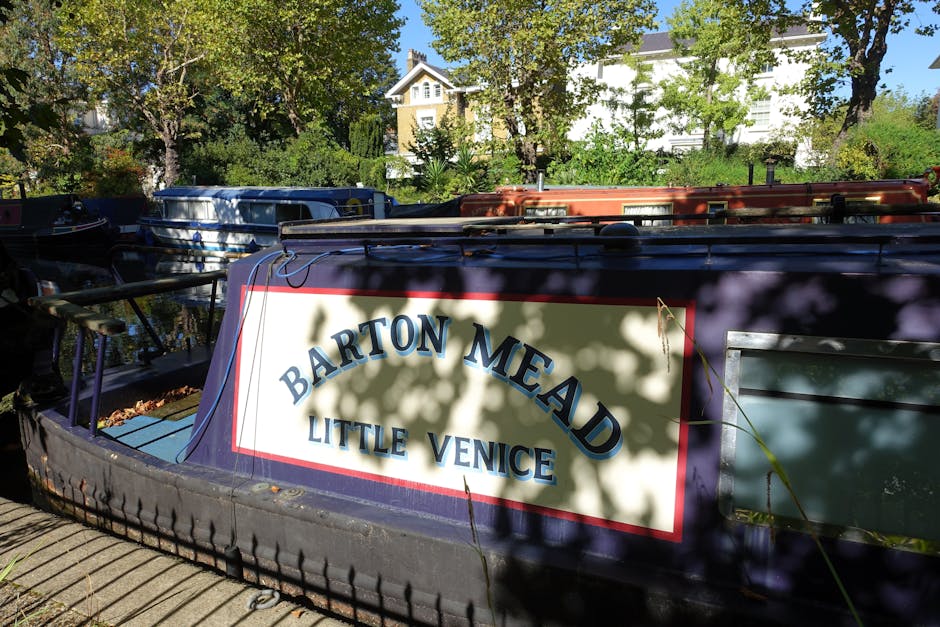
Maida Vale is a district in west London, best known for its broad residential streets, mansion blocks and canalside edges. It lies within the City of Westminster and is usually associated with a settled urban landscape rather than the denser commercial character found in nearby centres. The area takes its name from the Maida Hill Tavern, which in turn referenced the Battle of Maida in 1806, and the name has long been linked to the northern part of the wider district. The Westbourne routes and the Paddington Basin side of the Grand Union Canal help frame the locality, while the nearby Regent’s Canal adds to the network of waterways that shape movement through this part of London. Architecture is a major feature of the area: white stucco terraces, red-brick mansion blocks and later apartment buildings sit alongside streets such as Elgin Avenue and Sutherland Avenue, giving Maida Vale a recognisable residential texture. The district is also known for Little Venice, the canal junction close to the eastern edge, where narrowboats, waterside paths and café culture create a distinctive riverside atmosphere. Paddington Recreation Ground provides open space and sports facilities, while nearby roads connect the district to other parts of Westminster and Camden. The area’s calm streets, transport links and long-established housing make it one of west London’s more recognisable neighbourhoods, with a character shaped by water, residential planning and a strong sense of place.
Household-style clearances for mixed business premises
Some commercial locations contain items that are not strictly office furniture or stock waste, but still need a sensible clearance. Small studios, consulting rooms, upper-floor workspaces and mixed-use premises may have items similar to those found in homes, such as shelving, soft furnishings, kitchen equipment or general clutter. That does not change the principle: the job still needs sorting, lifting and disposal in an orderly way. Our clearance work can include these mixed contents where they form part of the business waste.
In practice, the difference lies in the layout and the way the premises are used. A commercial site may have shared entrances, limited time windows or equipment that needs to stay in place. That is why it helps to be clear about what should be removed and what must remain untouched. If you are preparing a broader clearance, it may also be useful to note whether there are stairs, lifts or loading restrictions. Home clearance and flat clearance can be relevant reference points when a mixed-use premises includes domestic-style contents, although the final service still needs to match the actual job.
For premises that hold a range of different materials, the important thing is not to overcomplicate the request. A straightforward list of items, access notes and any timing limits usually gives enough information to shape the work. We can then look at the waste removal as a single practical task rather than several disconnected jobs. If the clearance is tied to a move, refurbishment or tidy-up, say so plainly when you ask for a quotation.
Recycling, sorting and responsible disposal
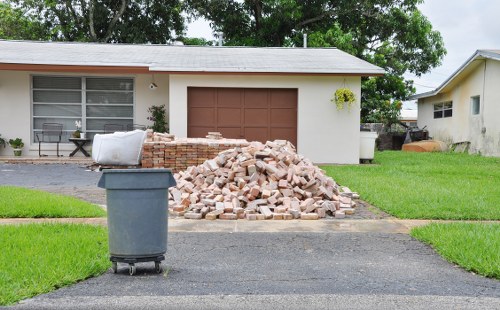
Responsible business waste removal is not only about lifting items away; it also depends on what happens after collection. Different materials need to be separated where practical, especially when a job includes a mixture of furniture, metals, cardboard, plastics or electrical items. That sorting stage is a key part of keeping the clearance orderly. It also helps ensure that waste is not treated as one undifferentiated pile when better handling is possible. The approach should always be suitable to the material and the site.
Recycling and disposal choices are especially relevant when a business is clearing a large volume of mixed items. Packaging, office equipment, appliances and furniture may need different routes once they leave the premises. Where a customer wants to understand the wider process, a page such as recycling and sustainability can be useful because it covers how materials are handled after removal. That does not change the on-site service, but it does help explain the principles behind a responsible clearance.
There are also jobs where specialist waste needs separate treatment. Fridges, freezers, computers, printers and similar items may call for a more specific disposal route than ordinary rubbish. In those cases, the service should be planned with the actual item list in mind rather than assumed from the premises type. If the business waste includes anything unusual, say so early and keep the description honest and complete. That makes it easier to decide whether the job can be dealt with as one collection or needs a more tailored approach.
Planning a business waste collection in practical terms
Before a collection, the most useful information is usually simple and factual: what needs removing, where it is stored and whether there are any access issues. That might include upper floors, narrow corridors, loading restrictions or items that need to be dismantled before they can be moved. A well-planned clearance avoids guesswork on the day and reduces the risk of delays. It also helps the business keep control of what should stay and what is ready to go.
It can also help to group items into broad categories rather than trying to describe every object individually. For example, a clearance may contain office chairs, cabinets, old screens, mixed rubbish and packaging. Listing them in sensible groups gives a clearer picture than a vague request and allows the team to plan the work properly. If you need to compare services, a page like waste removal sets out the general service scope, while office clearance is useful where the job is mainly work-related contents.
Two pieces of preparation usually make the biggest difference: ensuring the items are accessible and deciding what the collection should not remove. That can be as simple as moving keepsakes, personal files or equipment that remains in use. For a business, clarity matters more than quantity. When the request is complete, we can look at the work as a practical removal rather than a series of assumptions. Get in touch for a quotation when you are ready to move forward.
Item types, disposal limits and useful service pages

Different item types can change the way a business clearance is handled. Office furniture, shop fittings and general rubbish are usually straightforward, but appliances, confidential material and heavy fixtures may need more specific attention. That is why it helps to think in terms of categories. Bulky items take up space and may need dismantling, while smaller mixed waste often needs careful loading to keep the site tidy. A clear item list allows the removal to be matched to the real task.
Where the business waste includes specialist items, the service should reflect that rather than forcing everything into one generic description. Fridge and appliance removal can help where cold-storage or kitchen equipment is part of the clearance, while hazardous waste disposal is the more suitable route for materials that cannot go into normal mixed waste. If the job involves office equipment that is no longer required, the right destination helps keep the process organised.
For larger refits or strip-outs, it is often sensible to think ahead about whether the job is mainly furniture, mainly rubbish or a combination of both. That makes the quotation request more accurate and helps keep the collection efficient. We are happy to work through the practical details once the item types and access notes are clear. If you are ready to organise the clearance, request your quotation now and we can take it from there.